WHAT WE TREAT
Clinical assessment and treatment guided by the latest evidence
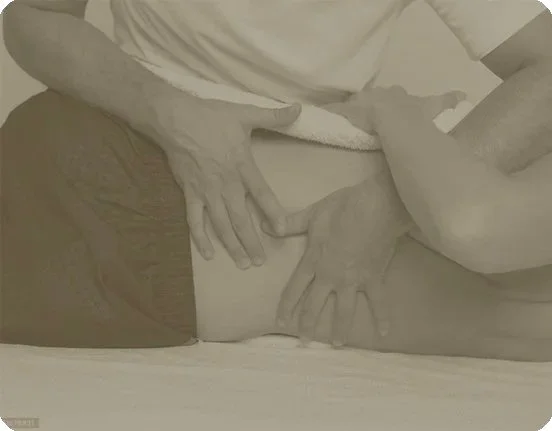
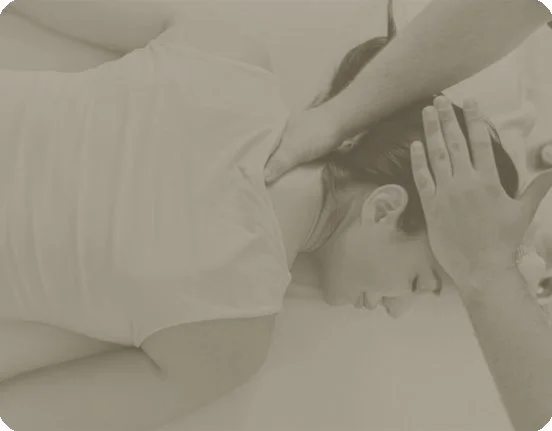
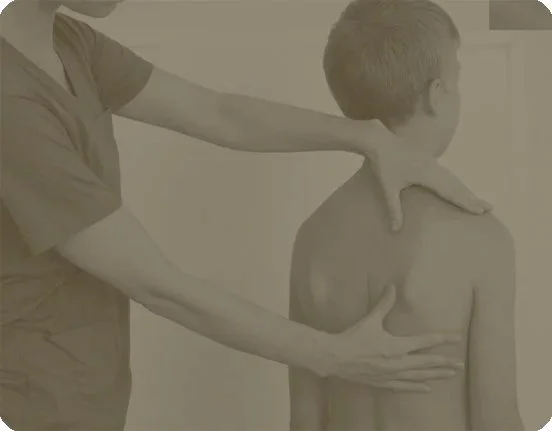
Some of the issues we treat at Fairfield Osteopathic Clinic
-
Low back pain is extremely common. Around 90% of Australians will experience an episode at some point, and for most people it settles within a few weeks. Choosing what to do can feel confusing, especially with so much mixed information. Research shows that understanding your pain, staying active and learning simple self-management strategies can speed recovery and reduce the risk of ongoing or recurring problems. Early assessment, appropriate treatment and clear education make a real difference. While serious causes of back pain are uncommon, your practitioner can refer for investigations or medical review when needed. At Fairfield Osteopathic Clinic, we use current evidence, personalised care and practical advice to help you move confidently and support lasting recovery.
-
Neck pain is very common and is often linked to desk work, stress, tension, over-exertion or accidents. In most cases, symptoms relate to muscular tightness and joint stiffness, which can make everyday activities uncomfortable and may contribute to headaches. A thorough assessment of your neck and daily habits helps identify the main drivers of your pain and guides gentle, targeted manual treatment to reduce sensitivity and restore movement. At Fairfield Osteopathic Clinic, we use current evidence and an individualised approach, and provide practical advice to support lasting improvement. A new pillow may help some people — supportive pillows that adapt to your needs can assist with comfort and symptom management.
-
No matter what sport you’re involved in our Osteopaths can assist you with all of your sporting needs from prevention to treatment and rehabilitation.
We can help you to improve your activity levels or carefully return to your sport of choice post-injury and monitor you through your recovery to help you avoid recurrence.
Stretching and strengthening exercises may be prescribed to help you manage your injury.
We have practitioners experienced with a variety of sports and their associated injuries including:
Football, Tennis, Golf, Swimming, Running and Crossfit
-
If you’ve recently been injured or are recovering from surgery, rehabilitation focuses on restoring your ability to move and perform everyday and sporting activities safely and confidently. It’s normal to feel weaker or less coordinated after injury — this is your body’s natural protective response while tissues heal. Knowing what is part of normal recovery and when it’s appropriate to progress can be difficult without guidance. A thorough assessment helps determine when to protect an area and when to safely challenge it to rebuild strength, control and confidence. At Fairfield Osteopathic Clinic, we support people of all ages and fitness levels with individualised rehabilitation, clear pacing and practical home programs to help you return to the activities you enjoy without unnecessary setbacks.
-
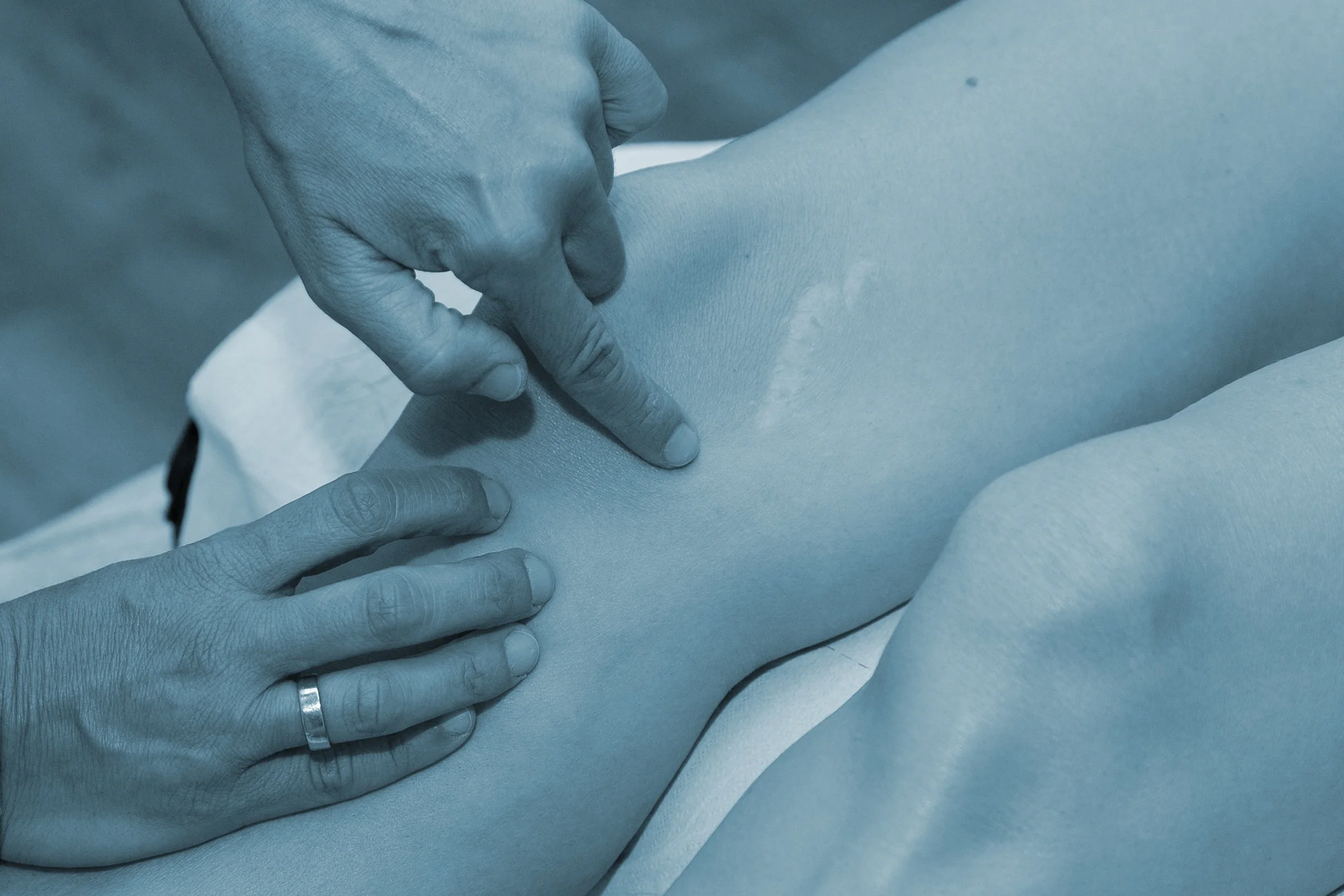
Knee and hip pain are common and can develop suddenly after injury or gradually through everyday movement patterns, workload or reduced activity. Knee pain is often linked to sport, overuse or age-related change, while hip pain is frequently felt around the lower back, buttock or groin and may involve both the hip and surrounding structures. A thorough assessment helps identify whether symptoms are coming from the joint itself, nearby muscles, tendons, nerves or the lower back, and whether referral for further investigation is needed.
Common knee and hip conditions we see include:
Osteoarthritis
Ligament sprains or meniscal tears
Patellofemoral pain and tendon-related pain
Bursitis and plica syndromes
Sciatica and radicular pain
Labral tears and femoroacetabular impingement
Piriformis and adductor-related pain
Iliotibial band and snapping hip syndromes
-
Headaches are very common and, for most people, are not caused by serious disease. Your osteopath is trained to assess your symptoms and will organise prompt referral if there are any signs that further investigation is needed. The most common headaches we see are tension-type headaches and migraine, with sinus and exertional headaches also occurring. While pain-relieving medication can help in the short term, frequent use may contribute to ongoing or chronic headaches.
Stress, muscular tension, sustained poor posture, neck pain, medications and dietary factors can all play a role. Neck-related irritation is a frequent contributor, as nerves from the upper neck supply the scalp and face. Osteopathic treatment and remedial massage offer a safe, non-drug approach by reducing muscle tension, improving joint movement and easing nerve irritation. Your practitioner at Fairfield Osteopathic Clinic is expertly trained to determine the most appropriate form of treatment that is tailored specifically for you.
-
Pain in the shoulder, elbow, wrist and hand is very common and can affect people at any stage of life. At Fairfield Osteopathic Clinic, our practitioners assess and treat a wide range of problems, with a strong focus on active rehabilitation and long-term recovery.
Common shoulder conditions we see include:
Rotator cuff tendinitis
Impingement syndrome
Frozen shoulder (adhesive capsulitis)
Bursitis
AC joint sprains
Biceps (bicipital) tendinitis
Elbow, forearm, wrist and hand problems are most often related to overuse and repetitive activities, particularly prolonged computer work. The most common conditions we treat include:
Tennis elbow (lateral epicondylitis)
Golfer’s elbow (medial epicondylitis)
Repetitive strain injury (RSI)
de Quervain’s tenosynovitis
Wrist strains and sprains
Carpal tunnel syndrome
Where necessary, your osteopath will refer you for further investigation or specialist opinion.
-
ALL OUR PRACTITIONERS WORK WITH OLDER CLIENTS AND SOME HAVE BEEN OUR MOST VALUABLE TEACHERS.
When you work with older clients, you are exposed to the difference between natural decline and the loss of function experienced due to poor lifestyle or compromised movement habits.
You can see a history of how that person has moved, or hasn’t moved, throughout their life. Whilst we might wish we had started moving sooner, it’s never too late to challenge our bodies with paced movement and improve our own notion of capacity.
But just saying ‘you’ve got to walk more’ when your knees, feet, or shoulders don’t feel great can be an obstacle to participating in the pleasures of life. Seeing an osteopath or having a massage can help all the parts of your body that you need to walk with less pain. To move ‘younger’ and feel better.
When we hit our 70s and 80s a bit of extra care and support can keep people stay engaged with their community, sleep well, and increase their energy to cook and eat real food, and enjoy the healthy pleasures of life.
-
The jaw and its muscles play an essential role in chewing, speaking and swallowing. The main jaw muscle (the masseter) is small but extremely powerful, and modern habits such as prolonged clenching or grinding—often related to stress or anxiety—can overload this system.
Excess jaw tension can lead to painful trigger points and discomfort with chewing, and may also contribute to symptoms that are not always obviously jaw-related, including headaches, earache, facial pain and tooth pain where no dental cause is found. Grinding or clenching (bruxism) and clicking, grinding or locking of the jaw joint may indicate irritation of the temporomandibular joint (TMJ).
Fairfield osteopaths can assess jaw and neck involvement, provide targeted manual treatment for pain relief, and teach simple self-management and relaxation techniques to reduce jaw tension and support longer-term recovery.
Check our knowledge base page for techniques that may begin to help you right now.
-
Osteopathy is a gentle and safe approach for children. From infancy through to adolescence, children can experience aches and pains related to falls, rapid growth, posture, illness and sporting injuries. While most recover quickly, some problems can persist.
With your input, we take a thorough history, examine your child and use the best available evidence to guide care. Treatment is usually brief and supported by simple, practical advice, such as changes to activity, sport loads or, for infants, sleep positioning.
We regularly liaise with other health professionals, including GPs, paediatricians, physiotherapists, maternal and child health nurses, teachers and coaches, and refer to specialists when appropriate.
All Fairfield Osteopaths hold current Working With Children Checks.
-
Osteopathic treatment is a safe, gentle way to support your body as it adapts to the physical and hormonal changes of pregnancy. Hormonal shifts affect ligaments and muscles throughout the body, your centre of gravity changes as your abdomen grows, and increasing load places extra demand on your spine, ribs and pelvis.
Common areas of discomfort include:
Lower back pain
Rib pain
Hip pain (often worse at night)
Pubic and pelvic girdle pain (PGP)
Upper back and neck tension
Carpal tunnel syndrome
Constipation, leg cramps and indigestion
A thorough assessment allows targeted, pain-free treatment for your individual needs. Osteopathic care can also support recovery after birth, helping the pelvic floor, rib cage, neck and shoulders (especially with feeding), and lower back adjust to post-partum demands.
-
Foot and heel pain is quite a common presentation. Your bone, heel fat pad, ligaments, tendons or muscles can be the culprit. Heel pain can also be referred by irritation of nerves in your lower back.
Having your foot and heel pain thoroughly assessed ensures any subsequent treatment and advice is targeted at the source of the problem. An Osteopath is qualified to assess and treat your foot and provide all important evidence-based advice.
Some of the more common conditions we see in the clinic are:
Osteoarthritis of the foot
Radiculopathy
Sciatica
Fat Pad Syndrome
Calcaneal Spur
High Ankle Sprain
Stress Fractures of the long bones
Plantar Fasciitis*
-
After concussion is diagnosed, or suspected, it is important to be assessed by a qualified therapist within 72 hours.
Early concussion management care is important for recovery. As the brain is essentially in “energy crisis mode” post concussion your health care provider may have specific recommendations for you to follow. Mark Cooper is a qualified Shift Concussion Management provider.
-
Professional counselling and education provided by experienced and caring psychologist, Lisa Fettling.
Fairfield Osteopathic Clinic also offers remedial massage and acupuncture.
THE MOST COMMON REASONS FOR VISITING FAIRFIELD OSTEOPATHY
-
![A cyclist crashes on a rocky trail in a wooded forest, with spectators watching nearby.]()
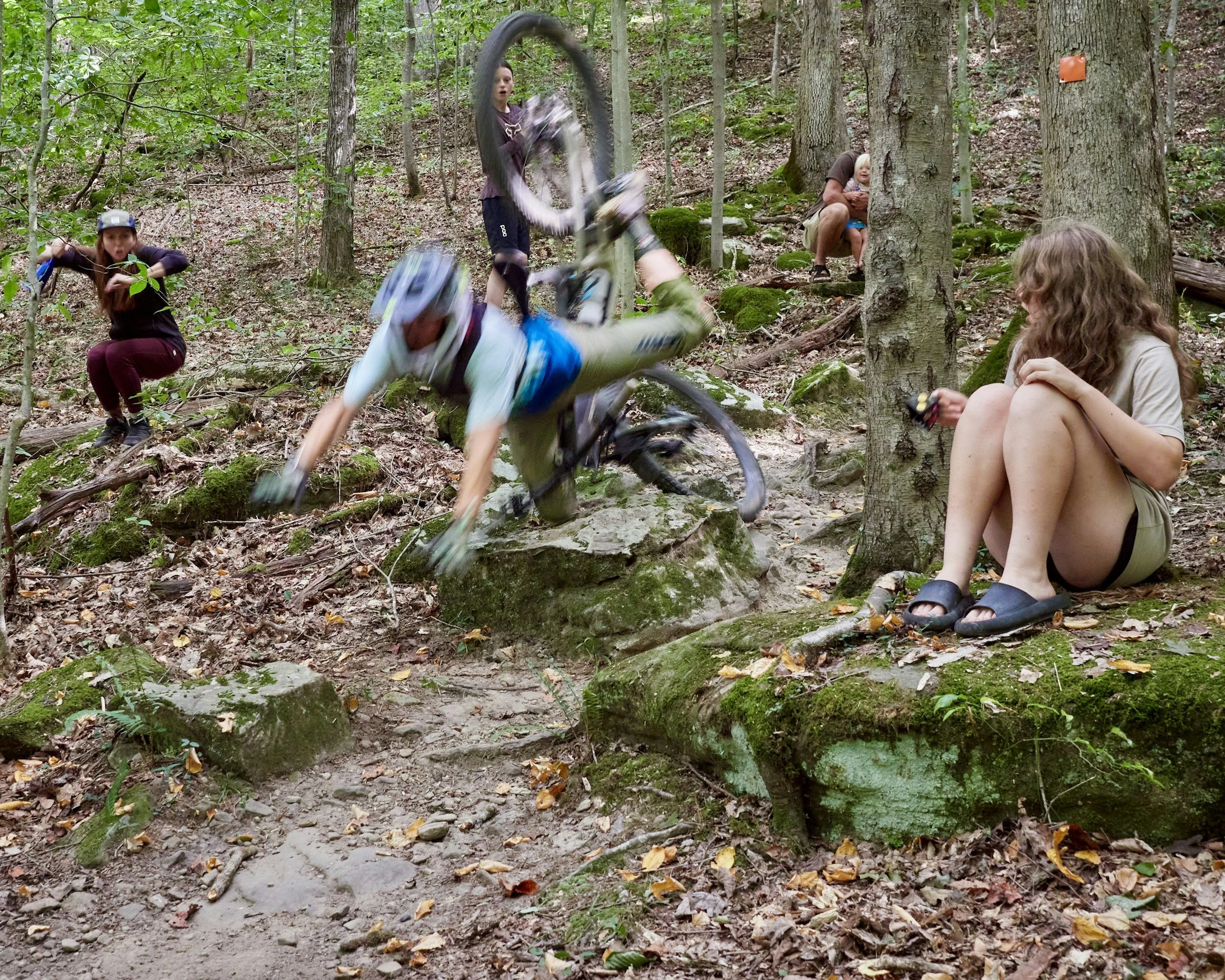
WORKPLACE & SPORTS INJURIES
Acute injuries, rehabilitation, return to sport, occupational strain
-
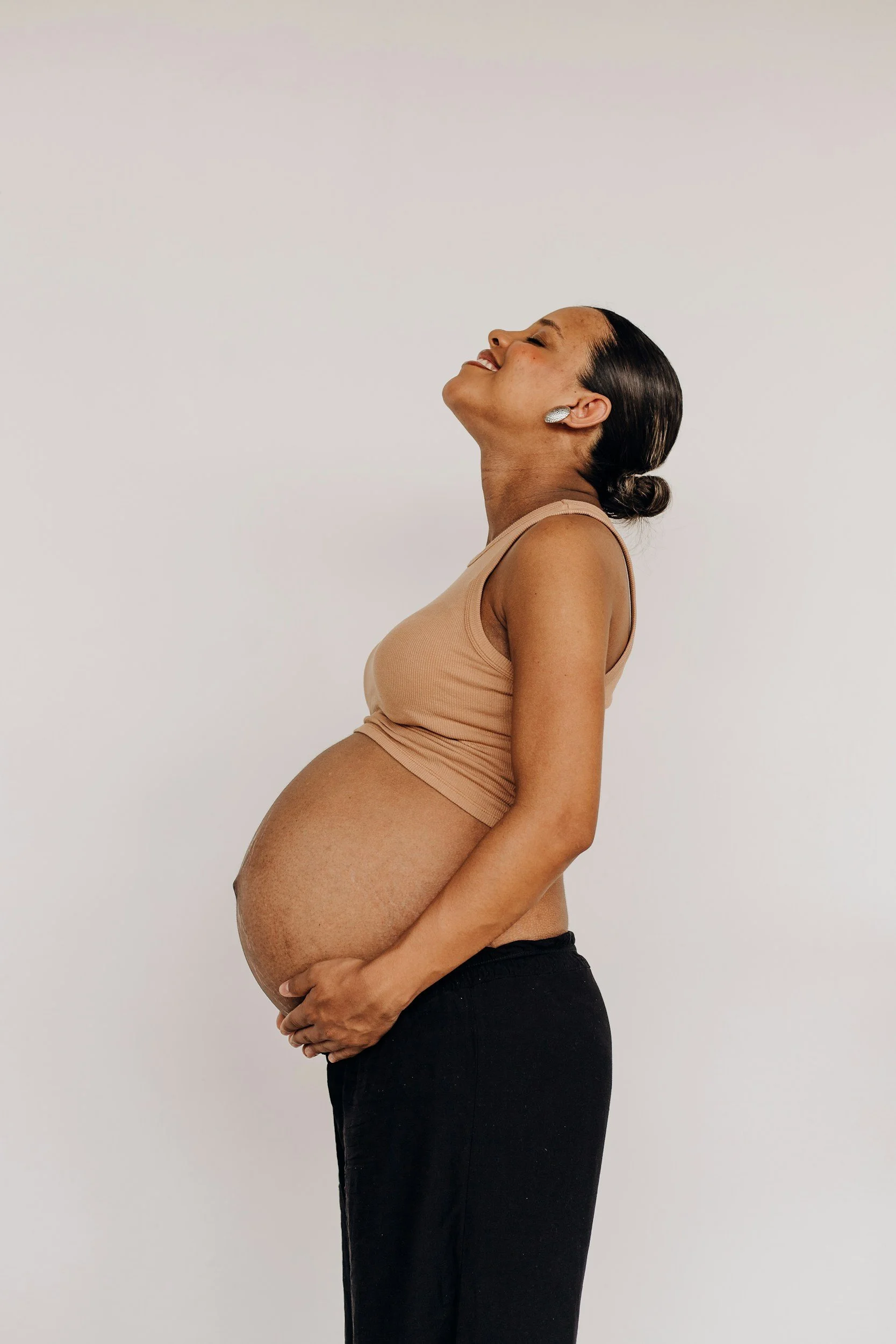
![A pregnant woman standing sideways against a plain white background, smiling with her eyes closed, wearing a beige sleeveless top and black pants.]()
Women's Health
Hormonal conditions, endometriosis, perimenopause, menopause, pelvic pain, pregnancy, post-partum
-
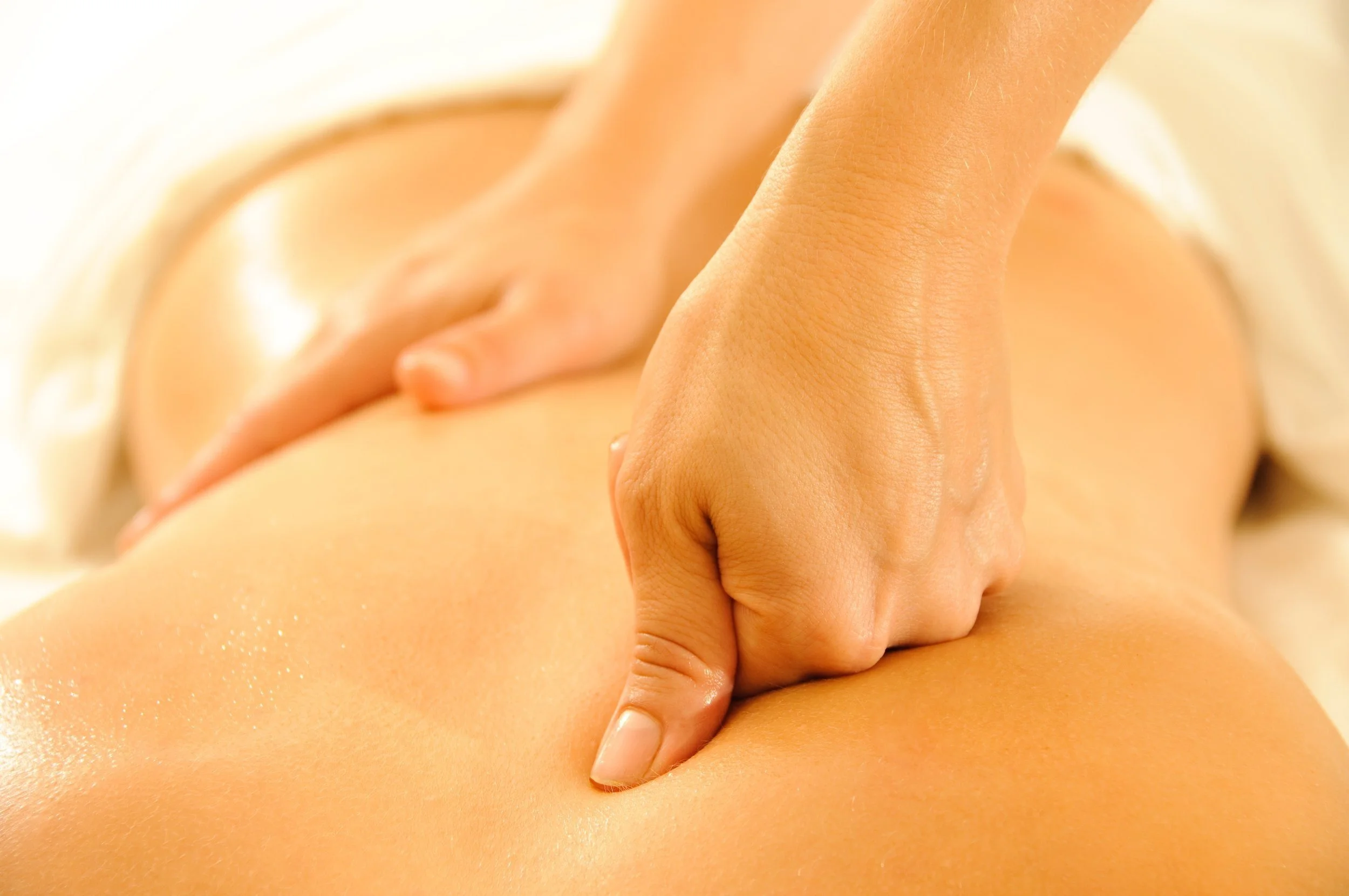
![Massage]()
Remedial Massage
Experienced Therapists. Remedial Massage. Myotherapy. Pregnancy Massage. We Can Work In Conjunction With Osteopaths To Enhance Your Treatment Process. Book today!
-
![A woman with long dark hair, wearing a light-colored top and a cozy furry jacket, holding her head with both hands, looking down, with sunlight and shadows creating patterns on her and the wooden wall behind her.]()
Persistent & Complex Pain
For those who've been struggling for a while and not finding answers
-
![Three elderly people walking arm-in-arm on a city sidewalk, smiling. Behind them is a large window display featuring famous soccer players in action and celebrating.]()
Healthy Ageing
For mobility, falls prevention, aged care, managing the body over time
-
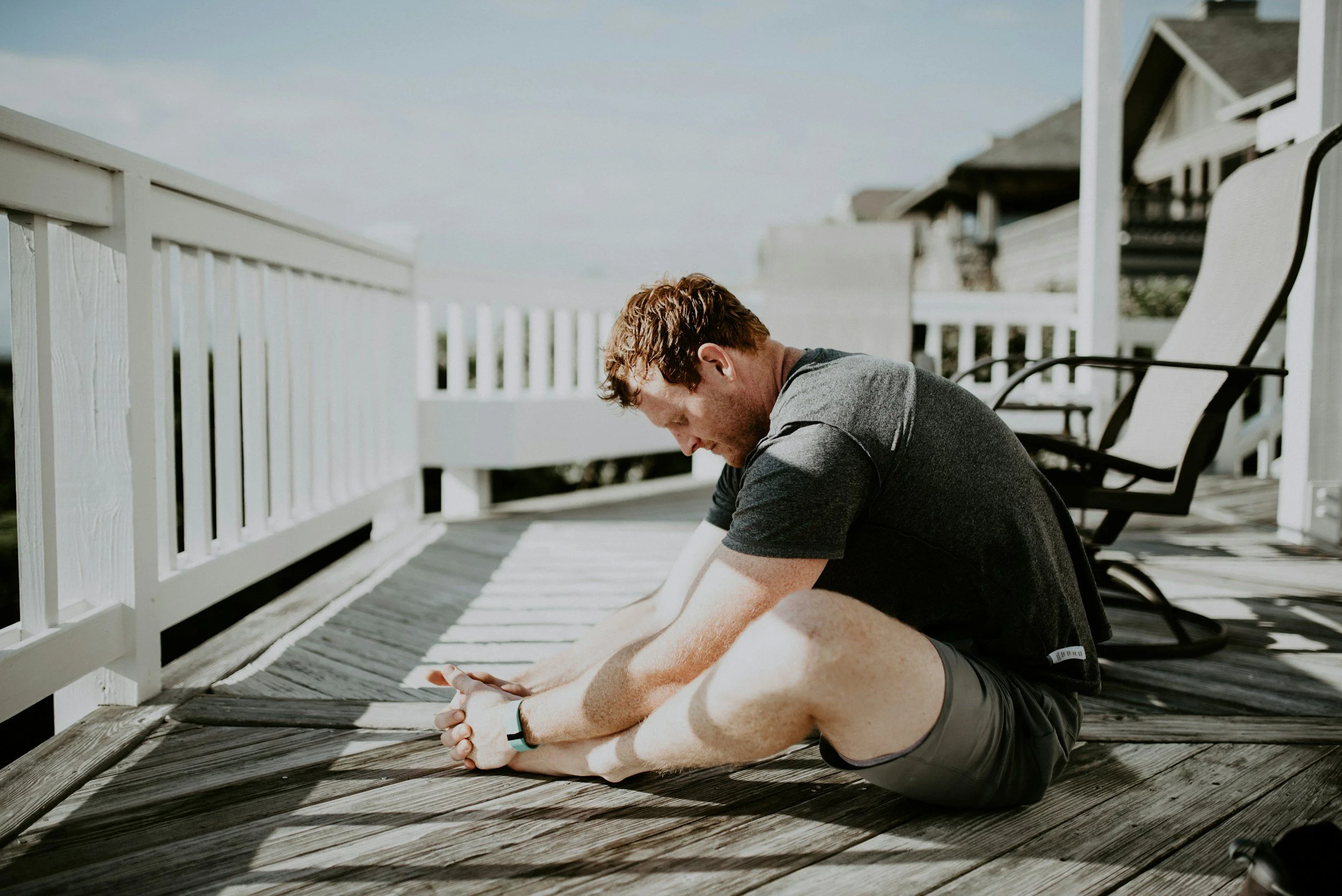
![A man doing a seated forward bend stretch on a wooden deck outdoors, with chairs and a white fence nearby.]()
Men's Health
Addressing the gap between what men experience and what they're prepared to do about it


FROM BACK AND NECK PAIN TO INJURIES AND EVERYDAY MOVEMENT ISSUES, FAIRFIELD OSTEOPATHIC CLINIC OFFERS PRACTICAL, PERSONALISED CARE TO HELP YOU GET BACK TO DOING WHAT MATTERS. OUR GOAL IS SIMPLE: TO HELP YOU MOVE BETTER, FEEL MORE CONFIDENT IN YOUR BODY AND CRUCIALLY, RELY ON US LESS OVER TIME.
FREQUENTLY ASKED QUESTIONS
New to osteopathy?
If you’ve never seen an osteopath before, your first appointment with Fairfield Osteopathic Clinic will focus on understanding what’s really contributing to your problem.
We take a thorough history, assess how you move, listen to how and what you are experiencing, then discuss treatment options using plain language — no jargon, no mystery. You'll leave your first appointment with a clear picture of what's going on, what we think will help, and what to expect next.
Our job is simple: help you get better,
move freely, and not need us anymore.
-
You don't need a referral to see an osteopath, remedial massage therapist, or acupuncturist. However, if you are seeing us under a "Chronic Disease Management Plan or Enhanced Primary Care Plan" through Medicare, your GP practice must provide an appropriate referral.
-
Medicare rebates are only available when referred through the "Chronic Disease Management Plan or Enhanced Primary Care Plan," which your GP practice arranges. The current Medicare rebate for these services is $61.80 and is only available when seeing an osteopath.
Appointments are not Bulk Billed at our practice. All osteopathic appointments involve an out-of-pocket expense.
-
Our practitioners are registered with most major health funds. If your private health insurance level allows, you can claim your rebate at the time of your appointment through our HICAPS terminal. Alternatively, we can provide paid invoices, which you may use to claim manually through your health insurer's website patient portal.
-
Every patient's case is different. For the most part practitioners will only need to see you a handful of times to get you back up and running (so to speak). Your practitioner will discuss timeframes and prognosis with you.
-
Osteopathy is one of the longest standing manual therapy professions. Your University qualified practitioners are skilled at performing a thorough case history, examination, hands on treatment, as well as providing exercise and rehabilitation advice. In short, osteopathy is right for most people. We take into account every person's cultural background, religious beliefs, personal preferences as treating practitioners. However, hands on examination and treatment techniques are necessary to address most presenting complaints.
-
We treat people across the lifespan. From babies to the elderly, everyone can benefit from osteopathy.
Techniques will vary depending on age and the physical presentation.
-
Generally, it is a good idea to wear loose-fitting clothing to osteopathic appointments. We will often require you to remove garments, down to your underwear, so we can examine and treat you appropriately. Gowns are provided for modesty purposes but are open at the back. Towels are also used for draping purposes when lying on the treatment tables.
-
Bring along all medical imaging results or reports, as well as any other medical reports from specialists that are relevant to your presenting complaint.
-
Osteopathy is grounded in biomedical science and focuses on the muscular and nervous systems — assessing how the structure of the body affects its function. If your pelvis is influencing the way you move, we're interested in that, not just the place that hurts. Treatment is shaped by the patient as much as the condition, drawing on hands-on techniques, exercise and postural advice, always informed by the best available research evidence.
Curious about how Osteopathy compares to other manual therapies? This article from The Conversation is a good place to start.
Fairfield Osteopathic Clinic also offers remedial massage and acupuncture.
Evidence-informed osteopathy in Fairfield for back pain, injury and movement problems. Clear assessment, honest advice and modern clinical care. Book online.